You need inline, real-time size monitoring to catch submicron diameter drifts that impact product performance and regulatory risk. Use optical coherence for submicron nanoparticle size analyzer, fast transients in transparent streams and acoustic spectroscopy for turbid or high-loading feeds; validate sensor dynamic range, calibration traceability, and placement. Build deterministic pipelines for acquisition, conditioning, fusion, and control interfacing (OPC UA/MQTT) with known latency and confidence bounds. Keep validation, calibration, and alarms automated, and continued guidance explains implementation steps.
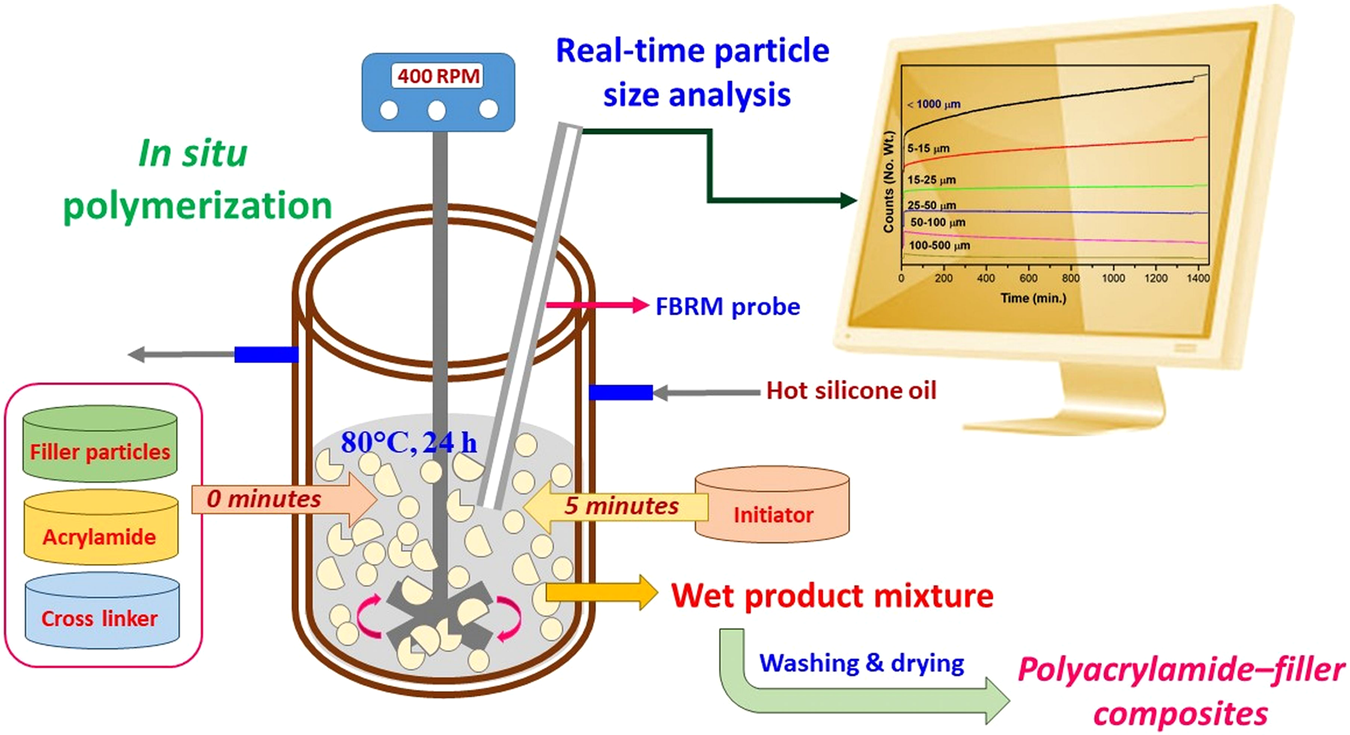
Why Continuous Size Monitoring Matters for Nanoparticle Manufacturing
Because small shifts in particle diameter can change product performance, you need continuous size monitoring to keep nanoparticle manufacturing within spec https://laballiance.com.my/. You’ll quantify variance in real time to protect regulatory compliance and reduce batch failures; a 0.5–2% diameter drift can trigger costly recalls. Continuous data lets you correlate size trends with upstream supply chain inputs and raw-material lots, shortening root-cause identification from days to hours. That visibility supports workforce training by turning abstract quality concepts into actionable metrics operators can respond to immediately. You’ll also drive cost optimization: fewer re-runs, lower scrap, and more predictable throughput. Adopt measurement-driven workflows so decisions are traceable, auditable, and aligned with innovation goals without adding procedural burden.
Inline Sensing Technologies for Real-Time Particle Size Measurement
Having real-time size data only matters if you can capture it without interrupting production — that’s where inline sensing technologies come in. You’ll evaluate optical coherence methods for submicron resolution and rapid sampling; they deliver high spatial precision and nondestructive probing of particle morphology. Complementary acoustic spectroscopy gives robust concentration-weighted size distributions in opaque streams, useful where optics struggle. You’ll consider trade-offs: optical coherence excels for transparent media and fast transient detection, while acoustic spectroscopy tolerates turbidity and particle loading. Implementation focuses on sensor placement, calibration routines, and maintenance intervals to sustain measurement fidelity. Choose sensors with validated accuracy, known dynamic range, and traceable calibration standards so you can innovate confidently without compromising throughput or product specifications.
Data Processing and Integration With Process Control Systems
If you want real-time nanoparticle size data to affect process decisions, you need a deterministic data pipeline that handles acquisition, conditioning, fusion, and control-interface delivery with known latencies and error bounds. You’ll design modular stages: timestamped acquisition, noise-filter conditioning, statistical validation, and data fusion across sensors to produce a single size metric with confidence intervals. Implement real-time serializers and bounded buffers so latency is measurable and repeatable. Expose metrics via standard control interfaces (OPC UA, MQTT) and map them to PID or model-predictive controllers for direct feedback integration. Log governance metadata for traceability and automated alarms for out-of-spec trends. Validate throughput against process cycle times, define error budgets, and automate failover rules to keep control loops stable and auditable.
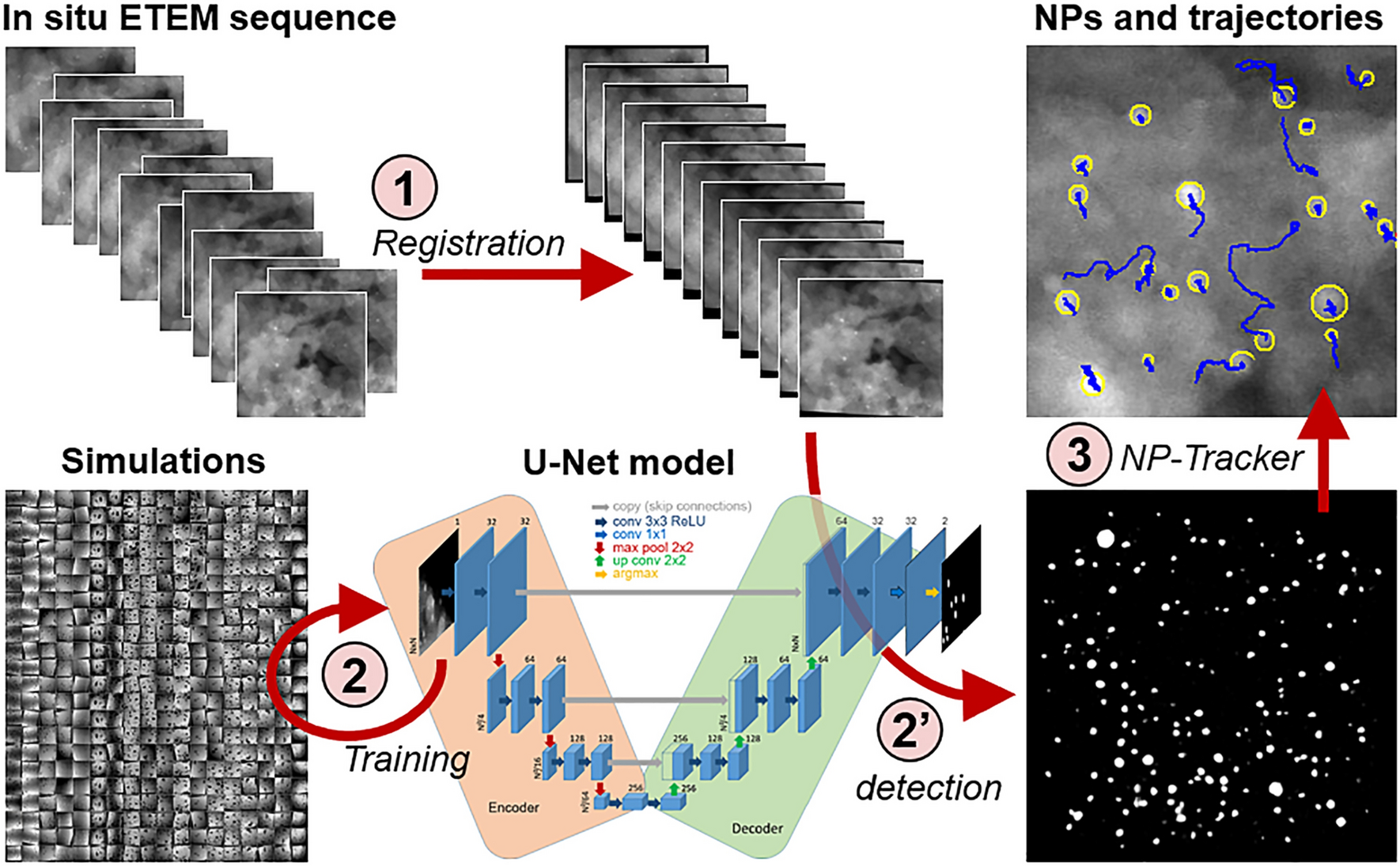
Practical Challenges and Validation Strategies for Inline Measurements
When you move nanoparticle sizing inline, expect a set of practical challenges that demand systematic validation: measurement biases from flow profile and refractive index changes, signal degradation from fouling and bubbles, time-varying process noise, and synchronization errors across sensors that all can distort real-time metrics and upset control loops. You’ll need a validation plan that quantifies bias, repeatability, and response time under representative flow and composition ranges. Define sampling frequency based on process dynamics and control bandwidth; validate stability across that rate. Implement routine sensor calibration with traceable standards and automated checks to flag drift. Use controlled perturbation tests and cross-correlation among independent probes to detect synchronization and coherence issues. Document acceptance criteria and automated alarms to keep inline data trustworthy for closed-loop use.
Case Studies and Industrial Implementation Examples
Although each implementation faces unique plant constraints, the following case studies show repeatable patterns in how operators validate and deploy inline nanoparticle sizing for closed-loop control. You’ll see three industrial examples: a pharmaceutical continuous reactor, a specialty-chemicals skid, and a food-grade emulsion line. Each used statistical process control, multi-point calibration, and traceable standards to link sensor outputs to offline analytics. Typical outcomes: ±5% size accuracy versus TEM, 30–50% reduction in batch variability, and faster root-cause identification across the supply chain. Implementation timelines ranged 3–9 months with documented regulatory compliance steps integrated early. You’ll need cross-functional teams, vendor qualification, and data integrity plans to scale from pilot to production while maintaining reproducible performance.